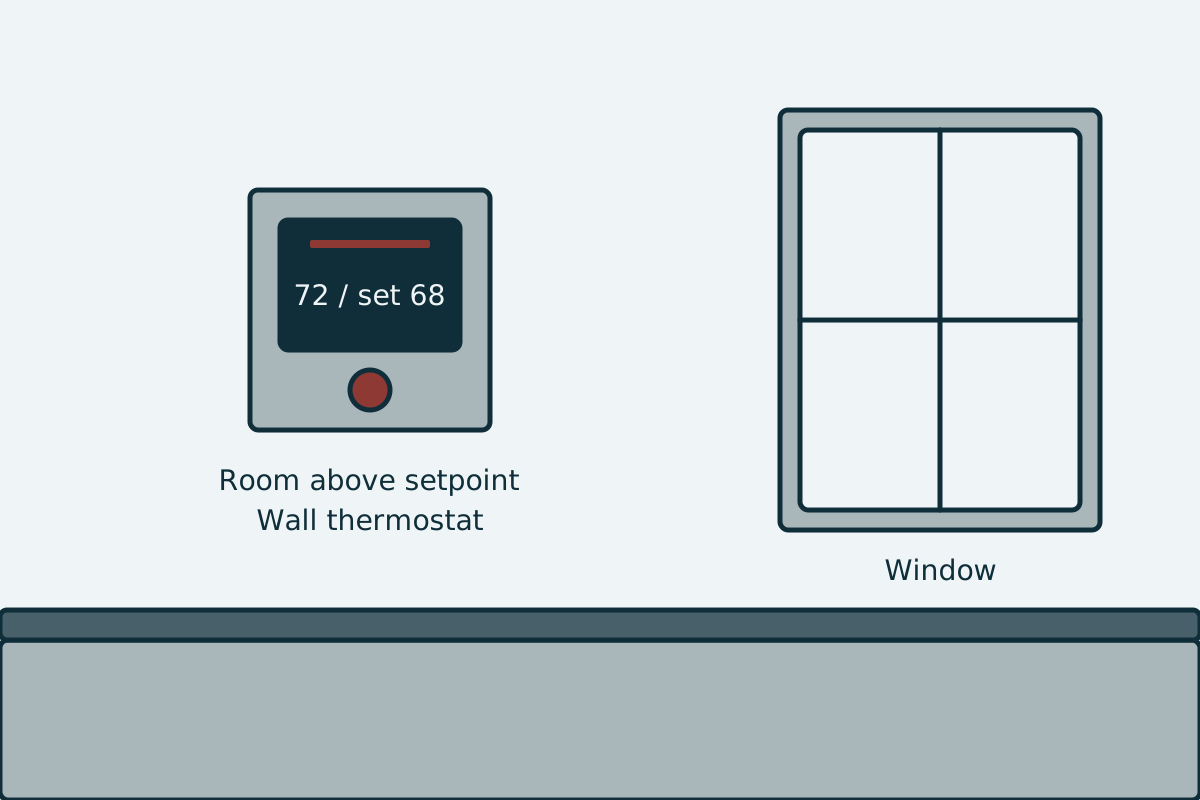
Short cycling is when a furnace turns on and off in brief bursts, often before the house reaches the thermostat setting. Bryant says normal cycles usually run 10 to 15 minutes or longer, so repeated few-minute cycles point to a problem. A dirty filter is one of the first things to check, and other causes include a dirty flame sensor, a thermostat in a poor spot, blocked vents or an oversized furnace. Check the filter first. If it keeps happening, book a specialist. For the wider picture, see furnace repair.
What does furnace short cycling mean for your home?
It means the furnace is shutting down before it finishes a normal heating cycle. That wastes gas, wears the parts that fire up every time, and leaves rooms uneven or cold. It is often a safety shutdown, where the furnace is protecting itself from overheating, a lost flame or a blocked vent.
What you may notice:
- The burners light, run a few minutes and shut off, again and again.
- The blower keeps running after the burners stop, and sometimes you get air that feels cool, which looks like the furnace is blowing cold air. See furnace blowing cold air.
- The house never quite reaches the temperature you set.
- Your gas bill is higher than usual.
- You hear a lot of clicking, starting and stopping.
The length of the cycle can hint at the cause. A published troubleshooting guide lists a few rules of thumb: a bad flame sensor shuts the flame off within seconds, a dirty filter gives cycles of about 2 to 5 minutes, closed vents about 3 to 10 minutes, a blocked exhaust vent about 1 to 5 minutes and an oversized furnace about 3 to 7 minutes. These are approximate and vary by furnace, so use them as hints, not a diagnosis.
Why is my furnace short cycling?
The common causes are a dirty filter, a dirty or faulty flame sensor, a poorly placed thermostat, closed or blocked vents, a blocked exhaust vent and an oversized furnace. Most of them come down to airflow or a lost flame signal, and the furnace shuts itself off to protect itself.
| Cause | What happens | Who fixes it |
|---|---|---|
| Dirty filter | Restricted airflow overheats the heat exchanger and trips the high-limit switch | You, by changing the filter |
| Closed or blocked vents | Heat builds up in the furnace, same overheating | You, by opening vents |
| Dirty or faulty flame sensor | Burners light, then shut off within seconds | Specialist |
| Thermostat in a poor spot | Reads the room as warm too soon and shuts the furnace off | You can move or adjust, or a specialist |
| Blocked exhaust or combustion air vent | Safety shutdown to avoid exhaust entering the home | Specialist |
| Oversized furnace | Heats too fast, then shuts off | Specialist assessment |
| Failing blower or limit switch | Overheating or false trips | Specialist |
Bryant says a thermostat near sunlight, drafts, vents or heat-producing appliances can read the room as warmer than it is. A dirty filter, closed vents and failed parts such as a limit switch or flame sensor can each make a furnace shut off while the fan keeps running.
A limit switch trip is a symptom, not a root cause. The usual root is airflow: a clogged filter, a failing blower or closed registers. Fix those first.
What can I check myself when my furnace is short cycling?
Safe checks are the filter, the vents, the thermostat and what you can see from the outside. Do not open the furnace, handle the burners, reset anything repeatedly or bypass a safety switch. If you smell gas or a carbon monoxide alarm sounds, leave the home and call 911 from outside.
In this order:
- Replace the filter if it is dirty or clogged. ENERGY STAR advises checking it monthly. The furnace filter replacement guide covers rating and timing.
- Check the thermostat. Confirm it is set to Heat, replace the batteries and move it away from heat sources or sunlight if you can. Look for sun hitting the wall it is on.
- Open supply and return vents and clear furniture and rugs. One guide suggests at least about 75 percent of vents open.
- Look at the exhaust vent from outside, from the ground, for nests, debris or a screen over the opening. Never go on the roof. If you see a blockage, turn the furnace off and call a specialist. A blocked vent can let carbon monoxide leak into the home.
- Time the cycles. Write down how long the burners run. That helps the specialist.
Leave cleaning or replacing the flame sensor to a specialist. Some guides describe it as a homeowner job, but it means opening the furnace near gas and electrical parts. Leave it to a specialist. See furnace flame sensor for what the part does.
Is short cycling caused by an oversized furnace?
Sometimes. A furnace that is too large heats the air too fast and shuts off after a few minutes, before it completes an efficient cycle. It is most often seen after a furnace was replaced with a bigger unit than the house needs. Only a proper sizing check can confirm it.
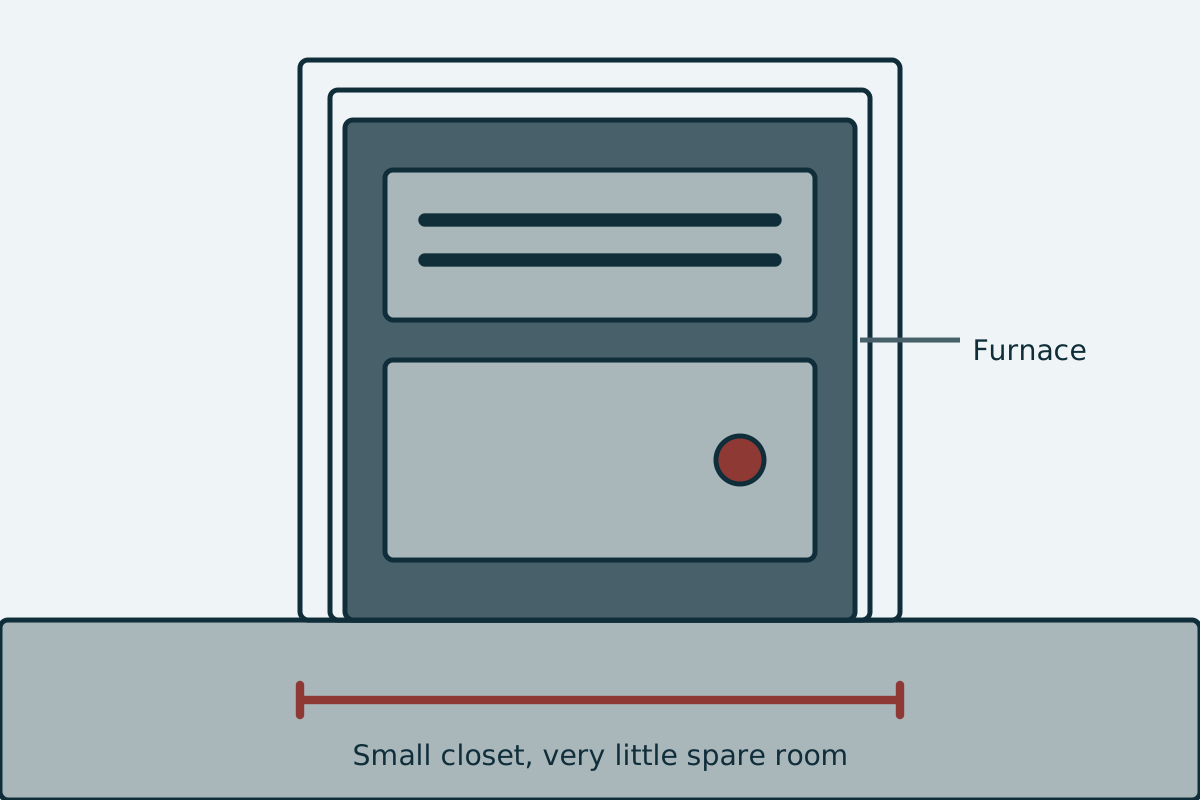
Signs that point to oversizing:
- Cycles are short from the first day after install.
- The filter, vents and thermostat all check out.
- Rooms swing between hot and cool.
- Different rooms heat unevenly.
A specialist can run a load calculation to confirm the right size, and one published guide names the Manual J method for this. The fix may involve changing the furnace, adjusting how it runs or improving the ducts, depending on the case. If you are planning a replacement, the furnace replacement cost guide explains why sizing matters and what drives the estimate.
What does it cost to fix furnace short cycling in Sacramento?
It depends on the cause. A filter costs little, and a thermostat move may cost nothing. Bob Vila's furnace repair guide puts general furnace repair at $100-600, and American Standard Air lists a furnace control board replacement at $300-650. There is no sourced range for a flame sensor or pressure switch alone, so ask for a written quote. An oversized furnace is a larger decision.
| Fix | Typical range | Notes |
|---|---|---|
| Filter replacement | Cost of a new filter | You can do this |
| Furnace repair, general | $100-600 | Specialist |
| Flame sensor clean or replace | Ask for a written quote | Specialist |
| Pressure switch | Ask for a written quote | See pressure switch repair |
| Control board | $300-650 | Specialist |
| Service call fee | Ask for a written quote | Varies |
The two ranges come from the guides named above. A local specialist quotes the real price after finding the cause. The furnace repair cost page covers more repairs.
When should I call a specialist?
Call when you have checked the filter, vents and thermostat and the furnace still cycles, when the exhaust vent looks blocked, when airflow stays weak or when the furnace is old and repairs are adding up. Leave the home and call 911 from outside if you smell gas or an alarm sounds.
The EPA says to have fuel-burning appliances inspected by a trained professional at the start of every heating season, and ENERGY STAR advises annual check-ups, with heating checked in the fall. A tune-up before winter often finds the weak flame sensor or the clogged filter before it becomes a shutdown. The maintenance page explains what a check covers.
When you ask for quotes:
- Ask for the California contractor license number and check it on the CSLB License Check page of the CSLB website. C-20 is the CSLB classification for warm-air heating, ventilating and air-conditioning work.
- Ask what they will test to find the cause, and what the price includes.
- Ask for the quote in writing.
To compare local specialists, use the quote page on the Sacramento Heating and AC site, and a local specialist will get back to you.
Questions people ask
How long does furnace short cycling take to fix?
A filter or thermostat fix takes minutes. A specialist visit for a sensor or switch often takes a couple of hours including diagnosis. Sizing problems or venting repairs take longer. Ask for the expected time and whether any part needs ordering.
What should I ask before I hire someone for furnace short cycling?
Ask for their California contractor license number and check it on the CSLB site. Ask how they will find the cause, what the price covers and whether the service call fee comes off the repair. Ask for the quote in writing before they start.
Do I need to be home for furnace short cycling?
Yes, plan to be home or have an adult there. The specialist needs access to the furnace and thermostat, and it helps if you can describe when the cycling happens and how long each run lasts. Have the filter size and model number handy if you can.
How many times an hour is too many for a furnace to cycle?
Bryant says normal cycles usually run 10 to 15 minutes or longer, so repeated cycles of a few minutes are a warning. There is no sourced number of cycles per hour here. If the burners shut off within a few minutes, again and again, check the filter and call a specialist if it continues.
Can short cycling damage my furnace?
It can add wear to the parts that start up each cycle, such as the igniter and the inducer, and it wastes gas. Overheating from restricted airflow is also a safety concern, which is why the high-limit switch shuts the burners off. Fixing the cause early is usually cheaper than waiting for a failed part.
Where these facts come from
- Bryant, Furnace short cycling
- PickHVAC, Furnace short cycling
- PickHVAC, Gas furnace sequence of operations
- ENERGY STAR, Maintenance checklist for heating and cooling
- US EPA, Protect your family and yourself from carbon monoxide poisoning
- American Standard Air, HVAC repair cost
- Bob Vila, furnace repair cost
Page updated